

Introduction to Antenatal Care
Antenatal care is a cornerstone of a healthy pregnancy, ensuring the well-being of both the mother and the developing fetus. Regular medical check-ups, screenings, and personalized guidance help identify and manage potential complications early, promoting optimal outcomes for maternal and fetal health. This comprehensive care begins from the first trimester and continues through delivery, with each stage tailored to address specific needs and risks.
First Trimester Visits: Establishing a Foundation
The first trimester (weeks 1–12) focuses on confirming the pregnancy, assessing baseline health, and detecting early risks. During initial visits, healthcare providers conduct a thorough medical history review, including family history, previous pregnancies, and lifestyle factors. Physical exams and routine laboratory tests are performed alongside an early ultrasound to confirm gestational age and fetal viability.
- Key tests: Complete blood count (CBC), blood group, screening for infections (HIV, hepatitis B), thyroid function, and prenatal screening for chromosomal abnormalities.
- Education: Guidance on early pregnancy symptoms and the importance of folic acid supplementation.
Second Trimester Care: Monitoring Growth and Development
The second trimester (weeks 13–28) emphasizes fetal growth monitoring and maternal comfort. Routine ultrasounds assess fetal anatomy and detect structural abnormalities. Glucose screening for gestational diabetes is typically performed between weeks 24–28, and providers monitor maternal weight gain, blood pressure, and screen for anaemia.
- Key milestones: Detection of fetal heart tones, determination of fetal position, and discussion of labor and delivery preferences.
- Education: Guidance on nutrition, safe exercise, and managing common discomforts like back pain or swelling.
Third Trimester Care: Preparing for Delivery
In the third trimester (weeks 29–40), visits become more frequent to monitor fetal positioning, assess placental function, and prepare for labor. Tests such as Group B Streptococcus (GBS) screening may be conducted. Providers also screen for pre-eclampsia through blood pressure and urine protein checks.
- Key interventions: Pelvic exams to assess cervical dilation, discussion of birthing plans, and education on signs of preterm labor.
- Support: Counselling on pain management options, postpartum care, and mental health considerations.
Nutrition and Lifestyle Advice
Optimal nutrition is critical throughout pregnancy. A diet rich in protein, iron, calcium, and folic acid is recommended, while avoiding raw or undercooked foods, alcohol, and excessive caffeine. Regular, moderate exercise (such as prenatal yoga or walking) is encouraged alongside adequate rest and stress management.
Warning Signs to Watch For
Seek immediate medical attention if experiencing:
- Severe abdominal pain or cramping
- Vaginal bleeding at any stage of pregnancy
- Persistent contractions before 37 weeks
- Sudden swelling of hands, face, or feet
- Vision changes or severe headaches
- Reduced or absent fetal movement
These symptoms may indicate complications such as placental abruption or pre-eclampsia and require urgent evaluation.
Expert Obstetric Care in Yelahanka
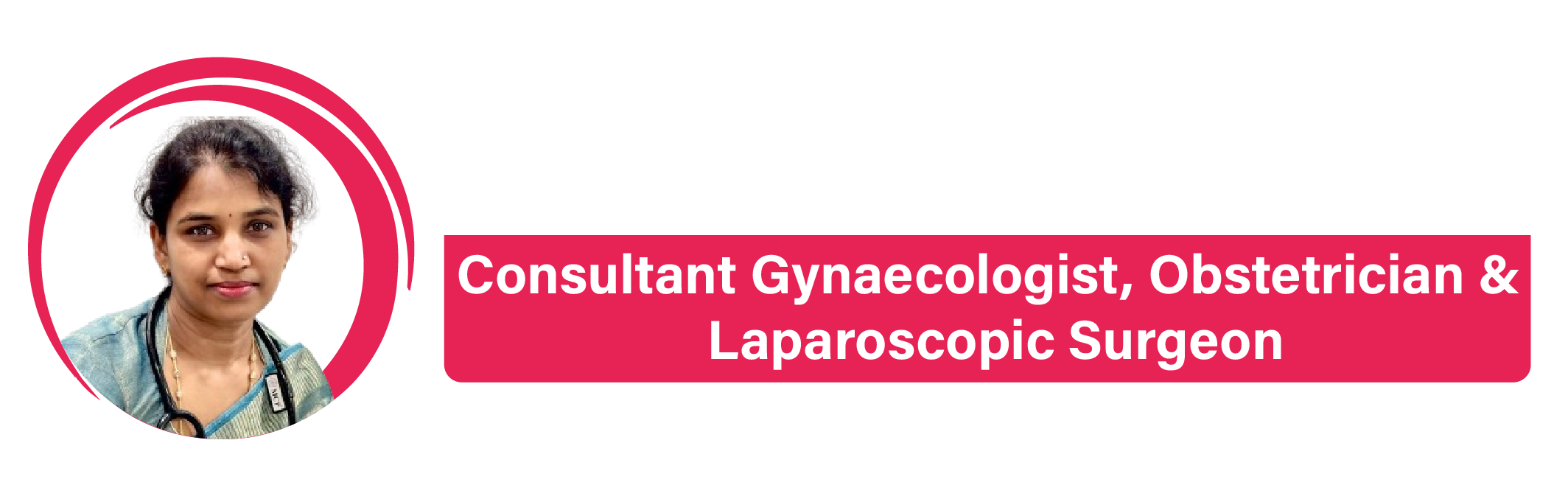
For personalized antenatal care and expert guidance throughout your pregnancy journey, consult Dr. Prathima Srinivas, Obstetrician & Gynaecologist at Dhaara Speciality Hospital, Yelahanka, Bangalore. Our team is dedicated to ensuring a safe and healthy pregnancy experience tailored to your unique needs. Book your appointment today.
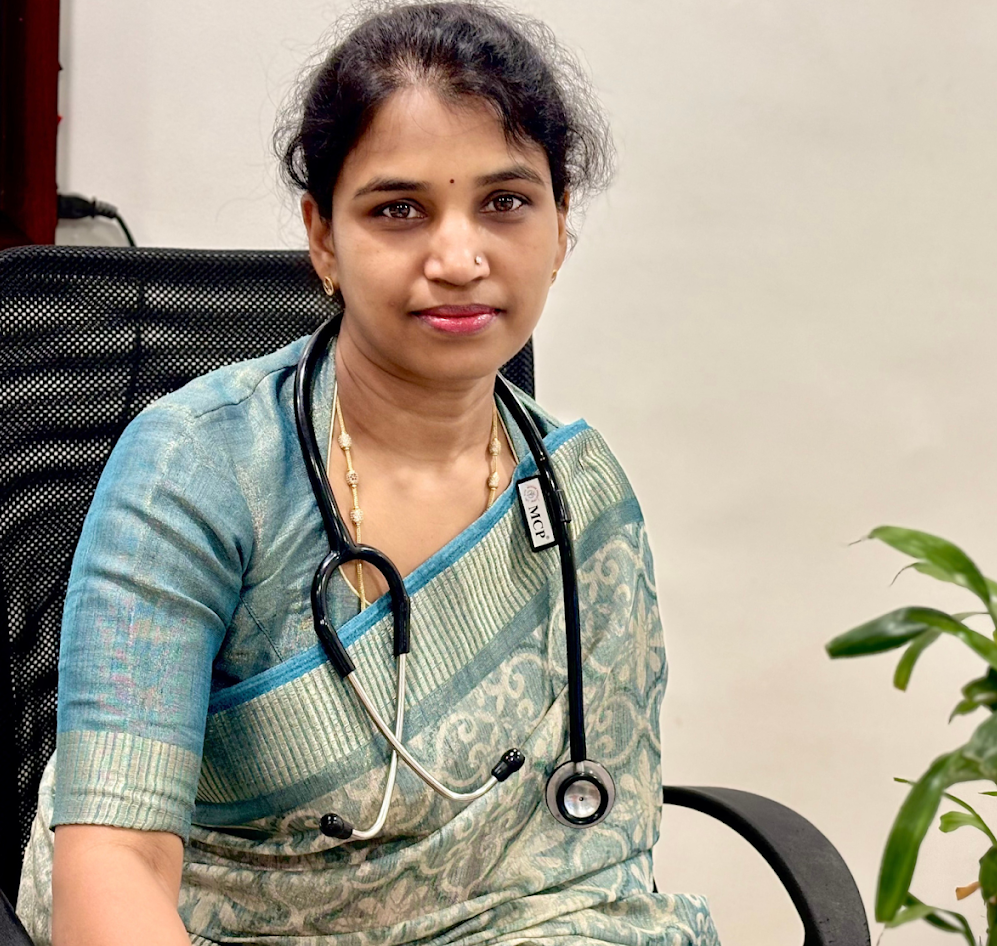
Dr. Prathima Srinivas
Consultant Gynaecologist, Obstetrician & Laparoscopic Surgeon
Dhaara Speciality Hospital, Yelahanka, Bangalore
Have Questions? Book a Consultation
Dr. Prathima Srinivas is available Mon–Sat, 10AM–1PM & 5PM–8PM at Dhaara Speciality Hospital, Yelahanka, Bangalore.
Call: 87478 74666 Book Appointment