

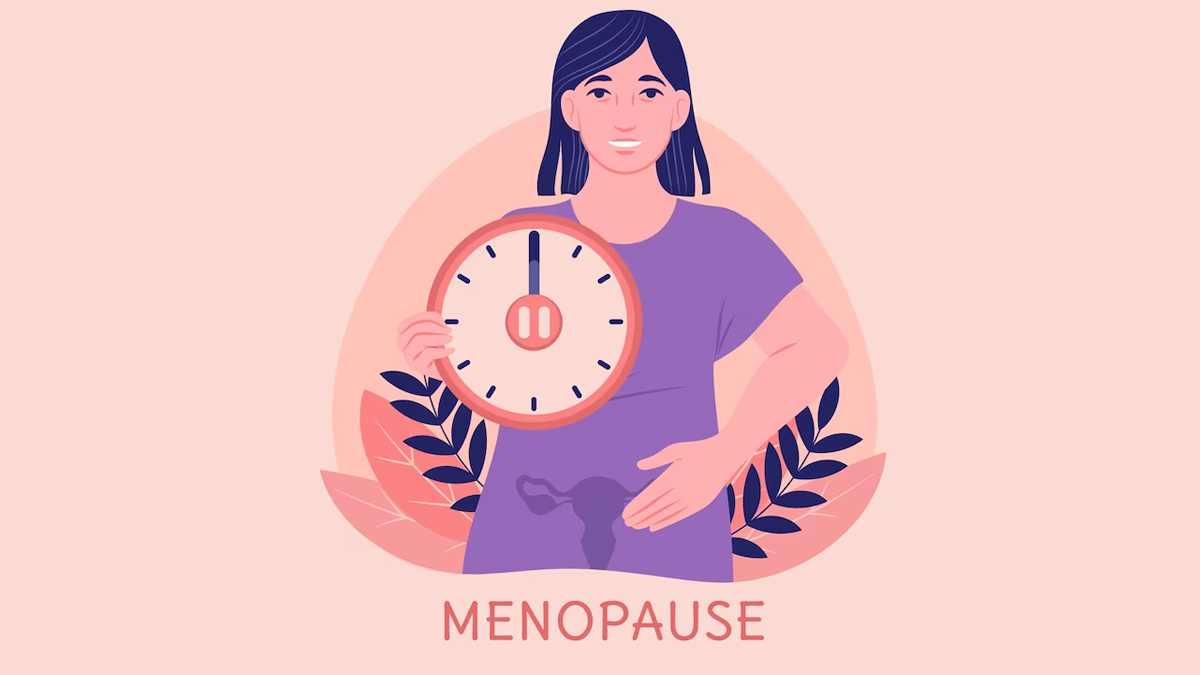
Menopausal and Perimenopausal Care
Menopause and perimenopause are natural stages in a woman's life, but the symptoms associated with them can be challenging. Fortunately, various treatments are available to manage these symptoms effectively. Hormone replacement therapy (HRT) is a common approach to alleviate symptoms such as hot flashes, vaginal dryness, and mood swings. It involves replacing estrogen and sometimes progesterone to balance hormone levels.
Other treatment options for menopausal and perimenopausal symptoms include lifestyle modifications, such as regular exercise, a healthy diet, and stress reduction techniques. Certain medications, such as selective serotonin reuptake inhibitors (SSRIs) or serotonin-norepinephrine reuptake inhibitors (SNRIs), may also be prescribed to manage mood swings and depression. Additionally, vaginal estrogen therapy can help relieve vaginal dryness and discomfort.
Benefits
- Reduction in the frequency and severity of hot flashes, leading to improved comfort and quality of life.
- Relief from vaginal dryness and discomfort during intercourse, enhancing sexual satisfaction.
- Stabilization of mood swings and reduction in symptoms of anxiety and depression.
- Prevention of osteoporosis and bone loss, which are common concerns during menopause.
- Improvement in sleep quality and overall energy levels.
- Enhancement of overall well-being and mental clarity, promoting a positive outlook on life.