
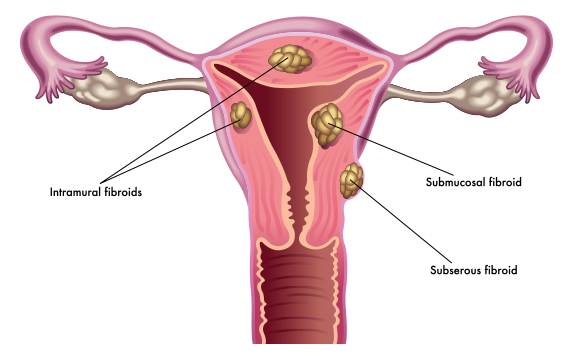
Fibroids/Leiomyoma of Uterus
Fibroids, also known as leiomyomas, are noncancerous growths in the uterus that can cause symptoms such as heavy menstrual bleeding, pelvic pain, and pressure on the bladder or rectum. Fortunately, there are several treatment options available to manage fibroids and alleviate associated symptoms. Depending on the size, location, and severity of symptoms, treatment may include medication, noninvasive procedures, or surgery.
One common approach to treating fibroids is the use of medications such as hormonal therapy or gonadotropin-releasing hormone agonists (GnRHas) to shrink the fibroids and alleviate symptoms. Another option is minimally invasive procedures like uterine artery embolization, which cuts off the blood supply to the fibroids, causing them to shrink. In some cases, surgical interventions such as myomectomy (removal of fibroids) or hysterectomy (removal of the uterus) may be necessary, especially if the fibroids are large or causing significant symptoms.
Benefits
- Reduction in menstrual bleeding and associated symptoms such as pelvic pain and pressure.
- Shrinking of fibroids, leading to improved quality of life and relief from discomfort.
- Prevention of complications such as anemia due to heavy bleeding.
- Improvement in fertility for women who wish to conceive, depending on the chosen treatment option.
- Enhanced emotional well-being and reduced stress related to managing fibroid symptoms.
- Customized treatment plans tailored to individual needs and preferences, with options ranging from medication to surgical intervention.