
- laparoscopic gynecology in Yelahanka

Laparoscopic Gynaecology

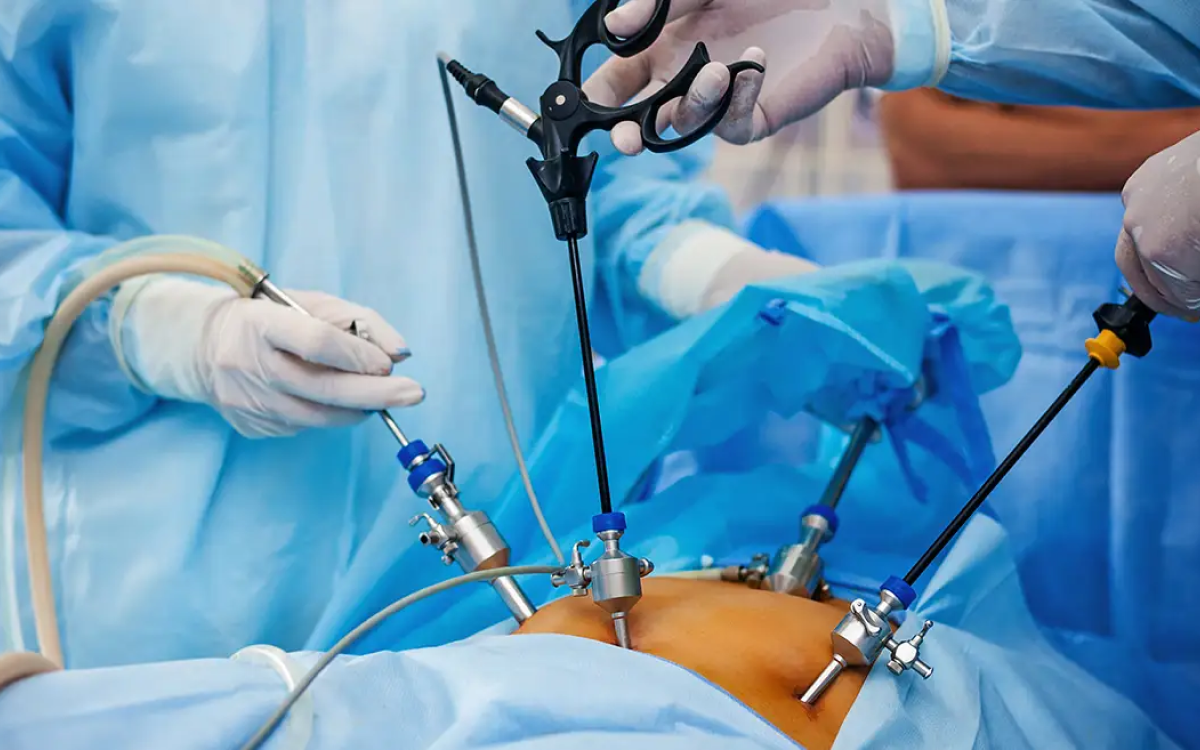
Laparoscopic gynecology offers minimally invasive surgical techniques for treating various gynecological conditions. This approach involves using small incisions and specialized instruments, allowing for quicker recovery times and reduced postoperative pain compared to traditional open surgery. Common laparoscopic procedures in gynecology include laparoscopic hysterectomy, laparoscopic myomectomy for fibroids, and laparoscopic ovarian cystectomy.

Depending on the specific condition and patient's needs, laparoscopic gynecology treatment may offer several advantages. It allows for better visualization of internal structures, leading to more precise surgical outcomes. Additionally, the smaller incisions result in less scarring and reduced risk of infection. Patients typically experience shorter hospital stays and faster return to normal activities, promoting a quicker recovery process.

Benefits

  • Minimally invasive approach reduces postoperative pain and discomfort.
  • Quicker recovery times compared to traditional open surgery.
  • Less scarring and reduced risk of wound complications.
  • Better visualization of internal organs, allowing for more precise surgical interventions.
  • Shorter hospital stays, leading to cost savings and improved patient satisfaction.
  • Reduced risk of postoperative complications such as blood loss and infection.
Frequently Asked Questions

What is laparoscopic gynaecology?

Laparoscopic gynaecology refers to minimally invasive surgical procedures performed through small keyhole incisions using a camera (laparoscope). It is used to diagnose and treat conditions like endometriosis, fibroids, ovarian cysts, and ectopic pregnancy.

What are the advantages of laparoscopic surgery over open surgery?

Key advantages include smaller scars, less postoperative pain, shorter hospital stay (often day surgery), faster recovery and return to work, lower infection risk, and better visualisation for the surgeon.

What conditions can be treated laparoscopically?

A wide range including endometriosis, fibroids (myomectomy), ovarian cysts (cystectomy), hysterectomy, ectopic pregnancy, uterine prolapse repair, tubal procedures, and diagnostic evaluation of pelvic pain or infertility.

Is laparoscopic surgery safe?

Yes. In experienced hands, laparoscopic surgery has an excellent safety profile. Dr. Prathima has performed hundreds of laparoscopic procedures with high success rates and minimal complications.

How do I prepare for laparoscopic surgery?

You will need blood tests and anaesthetic assessment beforehand. Fasting for 6–8 hours before surgery is required. Dr. Prathima's team will provide complete pre-operative instructions at your consultation.

APPOINTMENT

LOCATEUS

CALL

WHATSAPP