

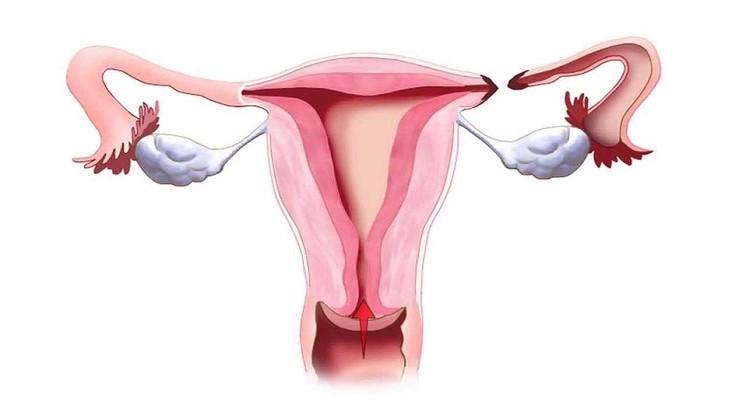
Tubal Re-canalisation
Tubal re-canalization, also known as tubal reanastomosis, is a surgical procedure used to reverse tubal ligation, allowing women who have undergone sterilization to restore their fertility. During this procedure, the blocked or sealed fallopian tubes are reconnected or repaired, restoring the pathway for eggs to travel from the ovaries to the uterus. Tubal re-canalization is typically performed for women who have had a change of heart and wish to conceive after undergoing tubal ligation.
The procedure is performed under general anesthesia and involves accessing the fallopian tubes through small incisions in the abdomen. The blocked portions of the tubes are carefully cut and reattached, either by suturing the ends together or using specialized instruments to create a new connection. Tubal re-canalization is a delicate procedure that requires the expertise of a skilled surgeon experienced in reproductive surgery. While success rates can vary depending on factors such as the type of tubal ligation and the length of time since the procedure, many women are able to achieve pregnancy following tubal re-canalization.
Benefits of Tubal Re-canalization
- Restores fertility for women who have undergone tubal ligation and wish to conceive naturally.
- Provides an alternative to assisted reproductive technologies such as in vitro fertilization (IVF) for women seeking to become pregnant.
- Allows couples to achieve pregnancy without the need for donor eggs or sperm, preserving genetic lineage.
- May result in lower costs compared to IVF or other assisted reproductive procedures, particularly for couples without insurance coverage.
- Offers the potential for multiple pregnancies, as the procedure restores natural fertility and allows for the conception of more than one child.
- Eliminates the need for ongoing contraception once pregnancy is achieved, providing a long-term solution for family planning.
- May improve overall reproductive health and hormone balance in women who have undergone tubal ligation, potentially alleviating symptoms such as menstrual irregularities.
- Allows women to fulfill their desire for motherhood and expand their families, bringing joy and fulfillment to their lives.