

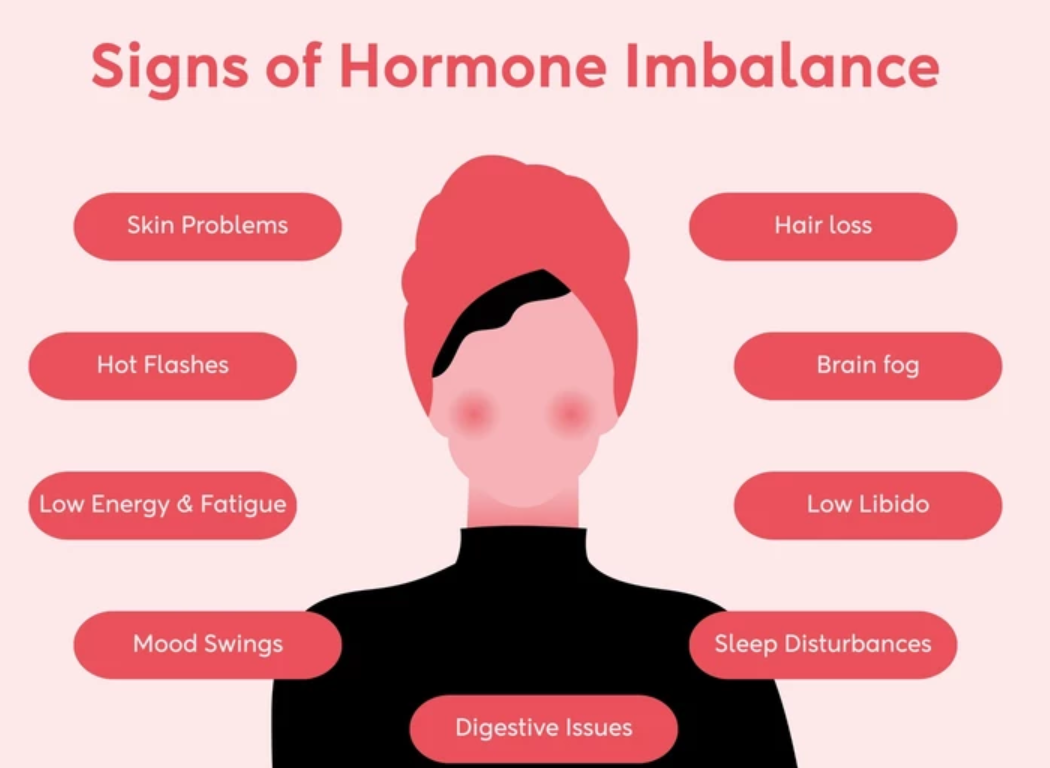
Hormone imbalances
Hormone imbalances can disrupt various bodily functions and lead to a range of symptoms. Fortunately, there are effective treatment options available to address hormone imbalances and restore hormonal equilibrium. Treatment approaches may include medication, lifestyle modifications, hormone replacement therapy (HRT), or surgical interventions, depending on the underlying cause and severity of the imbalance.
One common treatment for hormone imbalances is medication, which may involve the use of synthetic hormones or medications that regulate hormone production or activity. Lifestyle modifications such as dietary changes, exercise, stress management techniques, and adequate sleep can also play a crucial role in restoring hormonal balance. In cases where hormone levels are significantly depleted, hormone replacement therapy (HRT) may be recommended to replenish hormone levels and alleviate symptoms.
Benefits
- Reduction in symptoms associated with hormone imbalances, such as mood swings, fatigue, and weight gain.
- Improvement in overall health and well-being, including better sleep quality and increased energy levels.
- Regulation of menstrual cycles and relief from symptoms of menopause, such as hot flashes and vaginal dryness, in women.
- Prevention of long-term complications associated with untreated hormone imbalances, such as osteoporosis and cardiovascular disease.
- Enhanced fertility for individuals struggling with infertility due to hormonal issues.
- Improved mental health outcomes, including reduced anxiety and depression symptoms associated with hormonal fluctuations.