

Gynaeco-Oncology
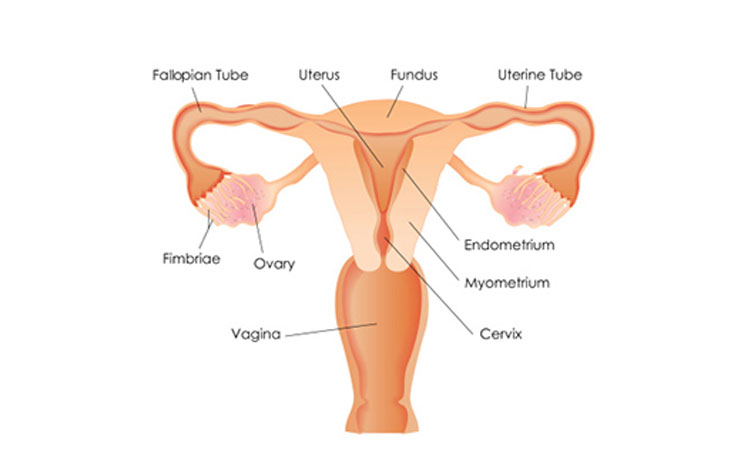
Gynecologic oncology deals with the diagnosis and treatment of cancers that affect the female reproductive system, including ovarian, uterine, cervical, vaginal, and vulvar cancers. Treatment for gynecologic cancers often involves a multidisciplinary approach tailored to the specific type and stage of cancer. Options may include surgery, chemotherapy, radiation therapy, targeted therapy, immunotherapy, or a combination of these modalities.
Surgical interventions play a crucial role in the management of gynecologic cancers, with procedures ranging from minimally invasive surgeries like laparoscopy to more extensive surgeries such as hysterectomy or pelvic exenteration. Chemotherapy utilizes drugs to destroy cancer cells and may be administered orally, intravenously, or directly into the abdominal cavity (intraperitoneal). Radiation therapy employs high-energy beams to target and kill cancer cells, often used in combination with surgery or chemotherapy.
Benefits
- Improved survival rates and prognosis for women diagnosed with gynecologic cancers.
- Reduction in tumor size and spread, increasing the likelihood of successful treatment outcomes.
- Preservation of reproductive function whenever possible, depending on the stage and type of cancer.
- Enhanced quality of life through symptom management and relief from pain or discomfort associated with cancer.
- Increased options for personalized treatment plans, taking into account individual factors such as age, overall health, and preferences.
- Access to advanced therapies and clinical trials, offering innovative approaches for challenging cases or recurrent cancers.