

Understanding Fibroids and Their Prevalence in Pregnancy
Uterine fibroids, also known as leiomyomas, are benign growths that develop in the muscle layer of the uterus. They are among the most common gynaecological conditions, affecting up to 70% of women by the age of 50. While many women with fibroids may not experience symptoms, their presence during pregnancy can complicate both maternal and fetal health.
How Fibroids Affect Pregnancy: Risks and Complications
Pregnancy with fibroids carries unique challenges. Potential complications include:
- Preterm labor: Fibroids can increase the risk of premature birth by altering uterine contractions or causing structural stress.
- Placental abnormalities: Fibroids may interfere with placental implantation, leading to placenta previa or placental abruption.
- Fetal growth restriction: Large fibroids can compress the uterine cavity, limiting space for fetal development.
- Breech or malpresentation: Fibroids may hinder the baby's ability to position correctly for delivery.
- Pain and bleeding: Rapid fibroid growth during pregnancy can cause pelvic pain or vaginal bleeding.
It is important to note that many women with fibroids experience uncomplicated pregnancies, especially if fibroids are small or located in less critical areas of the uterus.
Types of Fibroids and Their Impact
The location and size of fibroids significantly influence pregnancy outcomes:
- Submucosal fibroids: Grow into the uterine cavity — most likely to affect fertility and cause implantation issues or miscarriage.
- Intramural fibroids: Develop within the uterine wall; larger ones may increase risks of preterm labor or caesarean delivery.
- Subserosal fibroids: Located on the outer uterine surface, often posing fewer risks but still requiring monitoring.
Can You Get Pregnant with Fibroids?
Yes — many women with fibroids can conceive and carry pregnancies to term. However, fibroids may reduce fertility by distorting the uterine cavity or impairing fallopian tube function. The likelihood of successful pregnancy depends on fibroid size, location, and the presence of other reproductive health factors. Early evaluation and treatment significantly improve fertility outcomes.
Management of Fibroids During Pregnancy
Management focuses on close monitoring and symptom control:
- Regular ultrasound scans to track fibroid growth and fetal development.
- Pain management: Medications used only under strict medical supervision.
- Delivery planning: Caesarean delivery may be recommended for large fibroids or if complications arise.
Medications to shrink fibroids are generally avoided during pregnancy due to potential fetal risks.
Treatment Options After Pregnancy
Postpartum treatment depends on symptoms and reproductive goals:
- Myomectomy: Surgical removal of fibroids to preserve fertility.
- Uterine artery embolization: A minimally invasive procedure to reduce fibroid size.
- Hysterectomy: Reserved for severe cases or when fertility is no longer a concern.
When to See a Specialist
Consult a gynaecologist if you experience severe pelvic pain, heavy bleeding, or complications during pregnancy that may be related to fibroids. Immediate evaluation is critical for fibroids causing obstruction, rapid growth, or suspected placental issues.
Expert Care at Dhaara Speciality Hospital
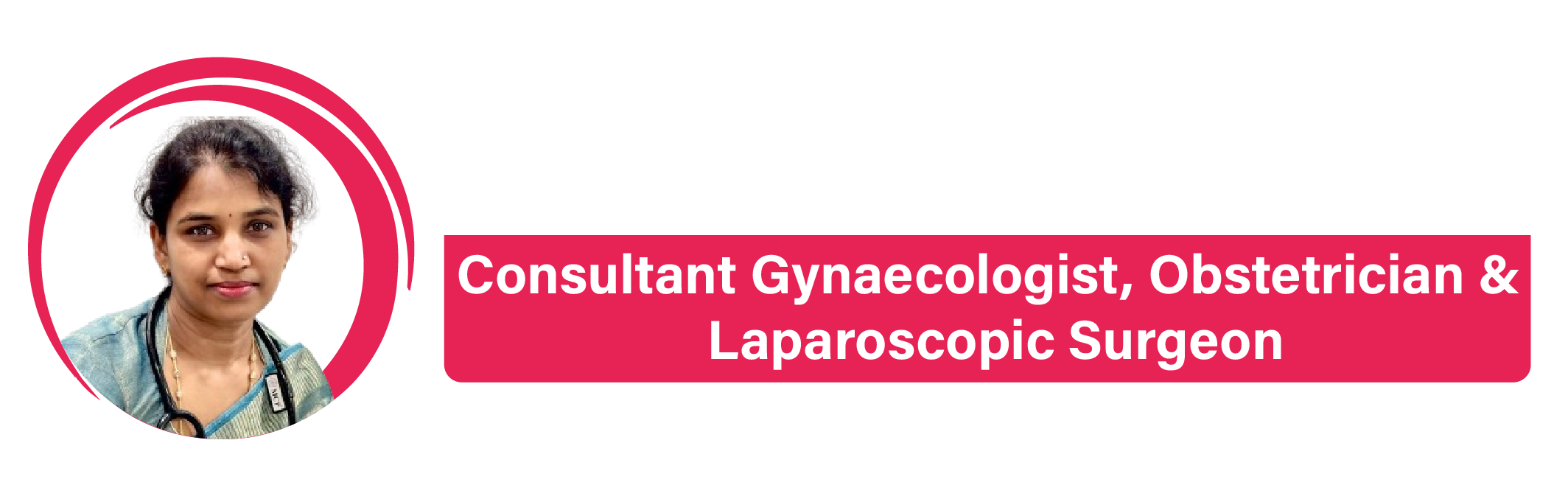
If you have fibroids and are planning a pregnancy or experiencing complications, seek expert care. Dr. Prathima Srinivas, a leading gynaecologist at Dhaara Speciality Hospital, Yelahanka, Bangalore, specializes in managing fibroids and ensuring safe pregnancies. Contact her today to discuss personalized treatment options and safeguard your reproductive health.

Dr. Prathima Srinivas
Consultant Gynaecologist, Obstetrician & Laparoscopic Surgeon
Dhaara Speciality Hospital, Yelahanka, Bangalore
Have Questions? Book a Consultation
Dr. Prathima Srinivas is available Mon–Sat, 10AM–1PM & 5PM–8PM at Dhaara Speciality Hospital, Yelahanka, Bangalore.
Call: 87478 74666 Book Appointment