
Introduction: Laparoscopic Surgery vs Open Surgery
When facing gynaecological conditions requiring surgical intervention, patients often encounter a critical decision: laparoscopic surgery versus open surgery. Both approaches have distinct advantages and limitations, and the choice depends on the specific diagnosis, patient health, and surgeon expertise. Laparoscopic surgery, a minimally invasive technique, has gained prominence for its reduced recovery times and lower complication rates, while open surgery remains essential in complex or emergency cases. Understanding these differences empowers patients to make informed decisions about their care.
What Is Laparoscopy?
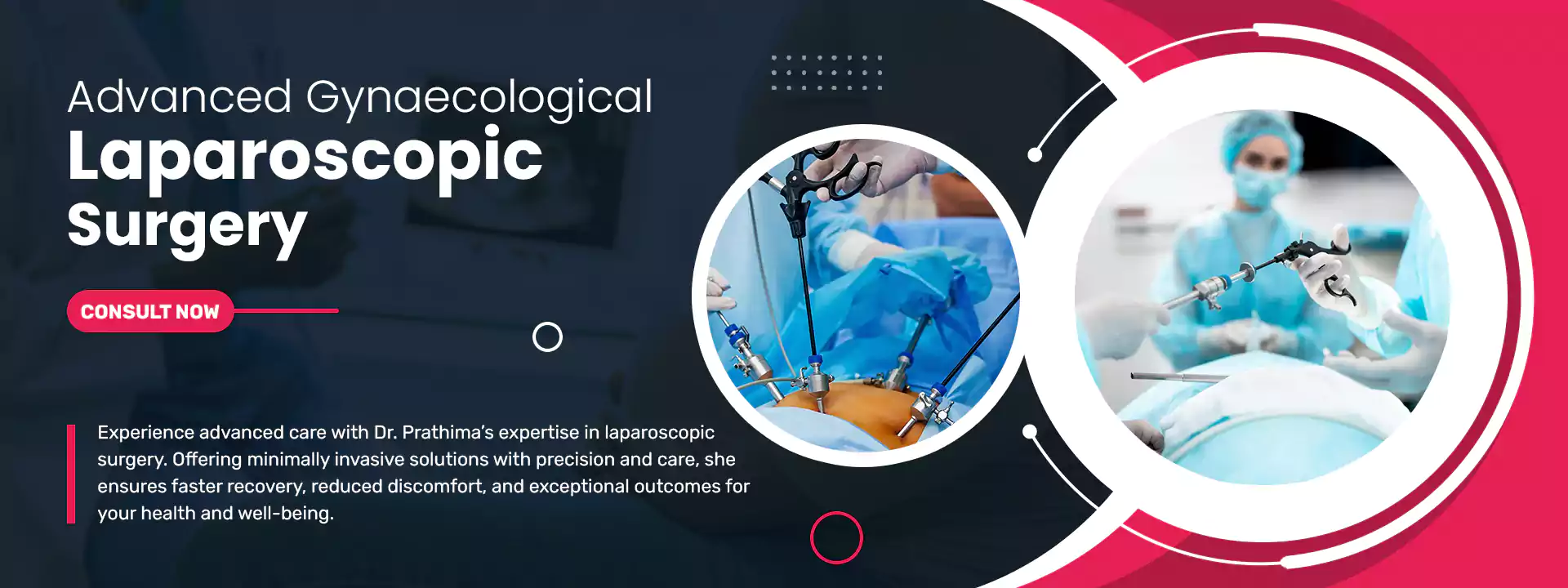
Laparoscopy involves the use of a thin, lighted tube (laparoscope) inserted through small incisions in the abdomen. This allows surgeons to visualize internal organs and perform procedures with precision. Carbon dioxide gas is often used to inflate the abdomen, creating space for better visibility and instrument maneuverability. The technique is widely applied in gynaecology for diagnostic and therapeutic purposes, including procedures such as tubal ligation, ovarian cyst removal, and hysterectomy.
Advantages of Laparoscopy Over Open Surgery
- Smaller incisions: Reduces scarring and minimizes tissue trauma.
- Less postoperative pain: Due to reduced muscle disruption and smaller wounds.
- Shorter hospital stays: Patients often return home within 1–2 days compared to 3–7 days for open procedures.
- Lower risk of infection and hernias: Smaller incisions decrease exposure to pathogens.
- Faster return to daily activities: Recovery typically takes 2–4 weeks versus 6–8 weeks for open surgery.
When Is Laparoscopy Used in Gynaecology?
Laparoscopy is a preferred approach for various gynaecological conditions, including:
- Polycystic Ovary Syndrome (PCOS): Laparoscopic ovarian drilling can help restore ovulation in selected cases.
- Endometriosis: Excision of endometrial implants and adhesiolysis are commonly performed laparoscopically.
- Uterine Fibroids: Myomectomy via laparoscopy is feasible for subserosal or small intramural fibroids.
- Ectopic Pregnancy: Laparoscopic salpingectomy is a standard treatment for unruptured ectopic pregnancies.
Recovery Comparison: Laparoscopic vs Open Surgery
Recovery from laparoscopic surgery is generally quicker and less painful due to minimal tissue damage. Patients can often resume light activities within a few days and return to work within 1–2 weeks. In contrast, open surgery requires a longer recovery period, with significant pain management needs and a higher risk of complications such as wound infections or blood clots. However, open surgery may be necessary for complex cases requiring extensive tissue manipulation or when laparoscopic access is limited.
When Is Open Surgery Still Needed?
Open surgery remains the gold standard in scenarios such as:
- Large or multiple fibroids: When fibroids are too large or numerous for laparoscopic removal.
- Severe adhesions: Dense scar tissue from previous surgeries may hinder laparoscopic access.
- Emergency situations: Such as ruptured ectopic pregnancies or uncontrolled hemorrhage.
- Obesity or anatomical abnormalities: These can limit the effectiveness of laparoscopic techniques.
Consult Dr. Prathima Srinivas
The choice between laparoscopic and open surgery depends on individual patient factors and the complexity of the condition. For many gynaecological procedures, laparoscopy offers superior outcomes with fewer risks. Dr. Prathima Srinivas, a leading gynaecologist and laparoscopic surgeon at Dhaara Speciality Hospital, Yelahanka, Bangalore, provides expert guidance and personalized care. Schedule a consultation today to explore your options and ensure the best possible outcome for your health.
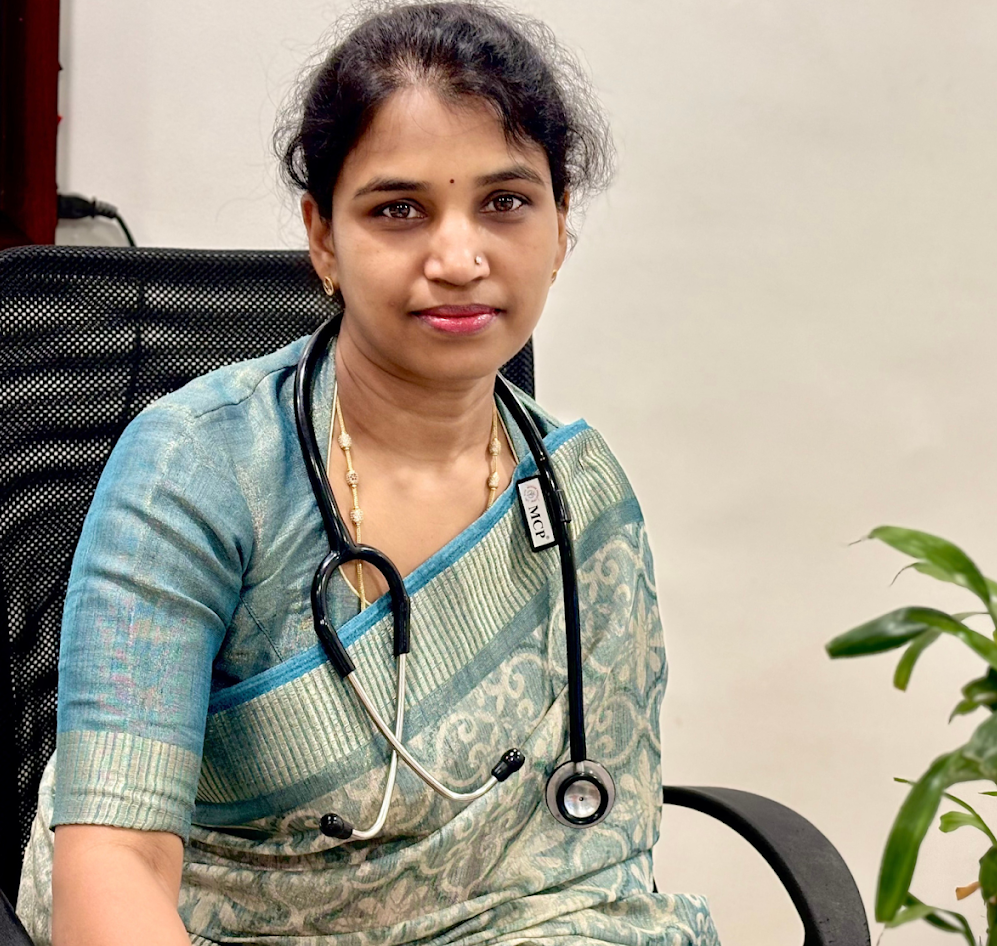
Dr. Prathima Srinivas
Consultant Gynaecologist, Obstetrician & Laparoscopic Surgeon
Dhaara Speciality Hospital, Yelahanka, Bangalore
Have Questions? Book a Consultation
Dr. Prathima Srinivas is available Mon–Sat, 10AM–1PM & 5PM–8PM at Dhaara Speciality Hospital, Yelahanka, Bangalore.
Call: 87478 74666 Book Appointment